
Quick answer
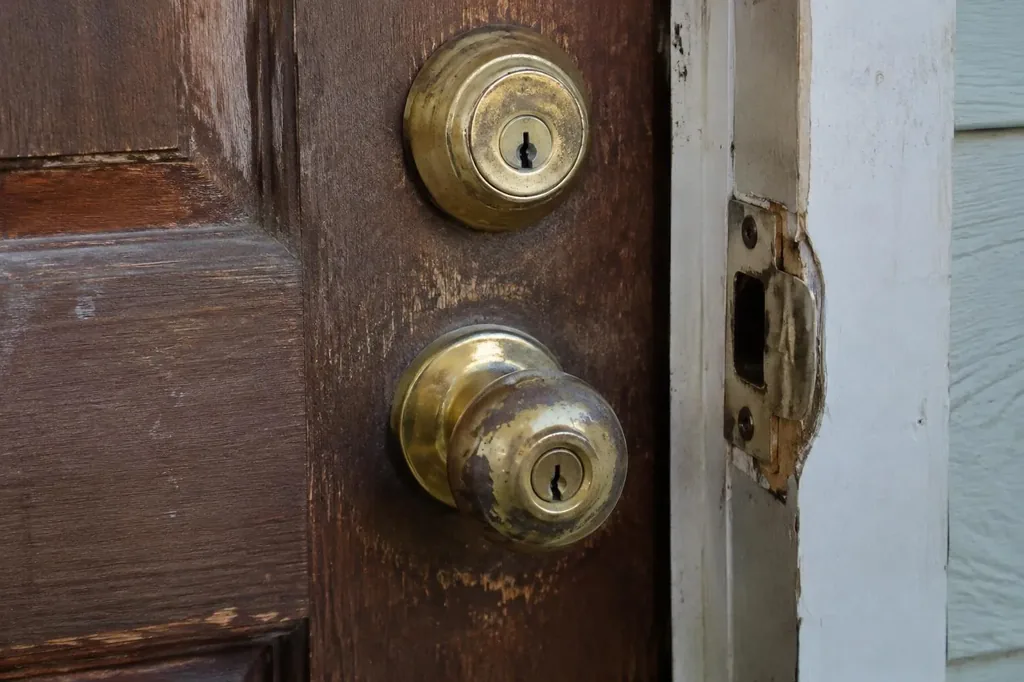
Sticking keys, a misaligned deadbolt, loose handles, corrosion, visible damage or inconsistent operation warrant inspection. A bolt that moves freely with the door open but binds when closed often indicates alignment trouble rather than a failed cylinder. Lost keys may call for rekeying instead of replacement. Replace damaged or unreliable hardware, but correct door and frame problems too.
1. The key sticks or needs force
A worn key, damaged cylinder or misaligned door can make turning difficult. Do not keep forcing the key because it can break inside the lock.
2. The deadbolt does not line up
If the bolt works with the door open but binds when closed, the issue may be door alignment rather than the cylinder. Seasonal movement, hinges and strike plates deserve inspection.
3. The knob or lever feels loose
Loose hardware can affect latch operation and may indicate missing fasteners, wear or installation problems. A technician can determine whether tightening, repair or replacement is appropriate.
4. You see rust or physical damage
Corrosion, impact damage and bent parts can interfere with reliable operation. Surface discoloration alone is not always a reason to replace a lock, but internal damage should not be ignored.
5. The lock operates inconsistently
A lock that works only after repeated attempts is a reliability problem. Note whether the issue occurs from inside, outside or both; that detail helps diagnosis.
6. Keys were lost or control changed
The hardware may still be functional, but access control has changed. Rekeying can be sufficient if the cylinder is compatible and in good condition.
7. Your security needs have changed
A move, renovation or need for controlled guest access may justify a different deadbolt or smart lock. Choose hardware based on actual needs rather than features alone.
Repair, rekey or replace?
The right solution depends on whether the problem involves the key combination, the cylinder, the latch or the door itself. Test the door both open and closed to help isolate the cause.
Address the warning sign before the lock fails
Make a note of which symptom occurs and whether it happens with the door open, closed or both. Bring those details to Ben's Locksmith when arranging a door-lock assessment. A useful recommendation should distinguish a key or cylinder problem from a latch or alignment issue, so you repair the cause rather than replace hardware unnecessarily.
Frequently asked questions
Should I lubricate a lock when the key starts sticking?
Check the lock manufacturer’s instructions first and use only the recommended product. A bent key, damaged cylinder or misaligned door will not necessarily improve with lubricant. Stop using force, and have persistent resistance inspected rather than repeatedly spraying the mechanism.
Does a loose door handle mean the whole lock needs replacement?
Not always. Loose mounting screws or an installation problem may be repairable. Worn internal parts, a broken latch or hardware that remains unreliable after adjustment may justify replacement. The handle and latch should be tested together before deciding.
Why does the deadbolt turn with the door open but bind when closed?
That pattern often indicates contact between the bolt and the strike opening. Sagging hinges, door movement or strike alignment can cause it. A new cylinder alone may not help; the door and frame need to be evaluated along with the lock.