
Quick answer
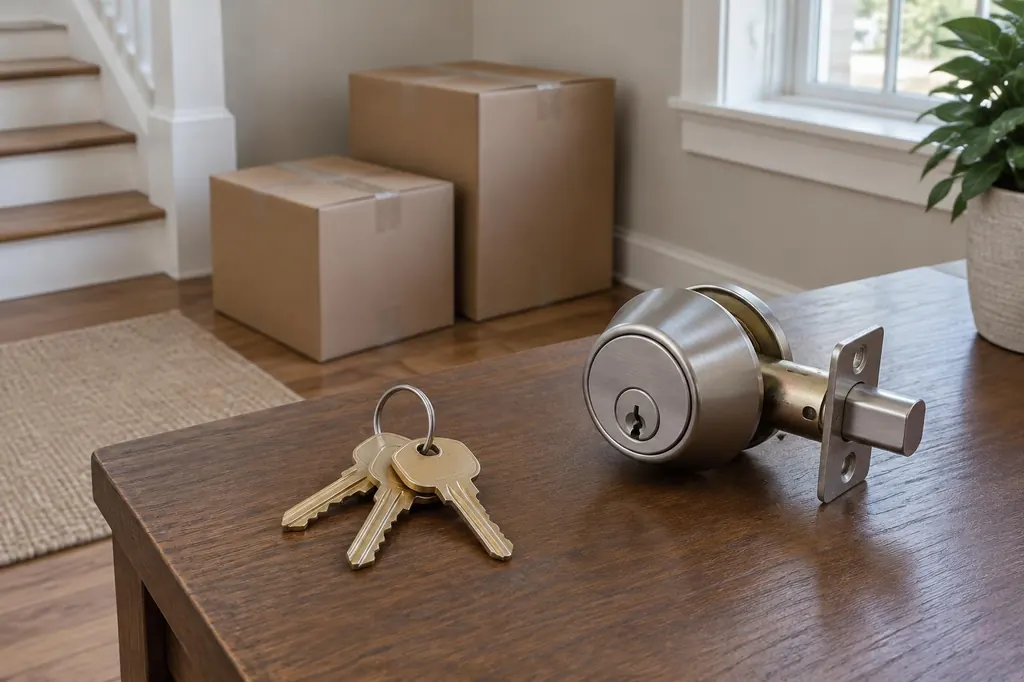
Rekeying soon after you legally take possession is a practical way to stop unknown copies of the previous keys from opening compatible locks. Include exterior doors and the attached garage entry in your review. Keep sound hardware, replace damaged locks, and check door frames and strikes. Update inherited keypad, alarm and smart-lock credentials separately, because mechanical rekeying does not revoke digital access.
Why the keys handed over may not be the only keys
Former occupants, contractors, relatives and service providers may have had copies. You generally cannot verify how many duplicates exist, even when the seller provides a full set at closing.
Which entrances should be reviewed
Inspect the front, rear and side doors, attached garage entry and any exterior doors serving a basement or utility area. Include separate padlocks or outbuildings where appropriate.
Rekeying versus new hardware
If locks are functional and compatible, rekeying changes the working key without replacing the entire set. Replace hardware that is damaged, poorly installed or unsuitable for the door.
Make a key inventory
Count cylinders, note brands where visible and decide which doors should share a key. Keep an organized record of how many new keys are distributed.
Check more than the cylinder
Look at the door frame, strike plates, hinges, sliding doors and window latches. A reliable lock depends on a door that closes and latches correctly.
Plan access for your household
Think about children, caregivers, cleaners and occasional guests. Decide whether controlled spare keys or a keypad system best fits your routine.
A sensible move-in sequence
After possession, confirm access, inspect hardware, arrange rekeying or replacement, test each door and update any alarm or smart-home access codes that transferred with the property.
Take control of access after the move
Once you legally take possession, list the exterior keyed entrances and decide who should receive new keys. Share that inventory with Ben's Locksmith to plan rekeying or replacement by appointment. Keep usable hardware where appropriate, but do not overlook damaged locks, transferred smart-lock accounts or garage and alarm codes that mechanical rekeying will not change.
Frequently asked questions
When should I rekey after buying a house?
Arrange it after you legally take possession and can authorize changes to the property. Doing so early helps establish control over key access before more people need entry. Coordinate with your closing and move-in plans rather than changing locks before you have permission.
Do I need new locks if the seller gives me all the keys?
The keys handed over cannot establish that no other copies exist. Rekeying compatible locks in good condition changes the working key without replacing the hardware. New locks may be needed if existing parts are damaged, incompatible or unsuitable for the door.
Does rekeying also change garage remotes and keypad codes?
No. Mechanical rekeying affects the cylinder and its keys. Garage remotes, keypad codes, alarm credentials and smart-lock accounts need separate review or reset procedures. Follow each system’s instructions and remove access that should not transfer to the new household.